Farmer Success Stories: How Increased Fertilizer Efficiency Boosted YieldSustainability
Jul 27, 202620 min read

Farmer Success Stories: How Increased Fertilizer Efficiency Boosted Yield

When fertilizers are applied to poor or depleted soils, a significant percentage of the investment never reaches the crop structure. Instead, vital macronutrients are lost to environmental runoff, atmospheric volatilization, or heavy chemical soil fixation. The modern solution to this multi-billion-rupee agricultural drain is precision soil conditioning.

Drip Fertigation vs Soil Application: Which Fertilizer Method Improves Efficiency More?Sustainability
Jul 23, 202620 min read

Drip Fertigation vs Soil Application: Which Fertilizer Method Improves Efficiency More?

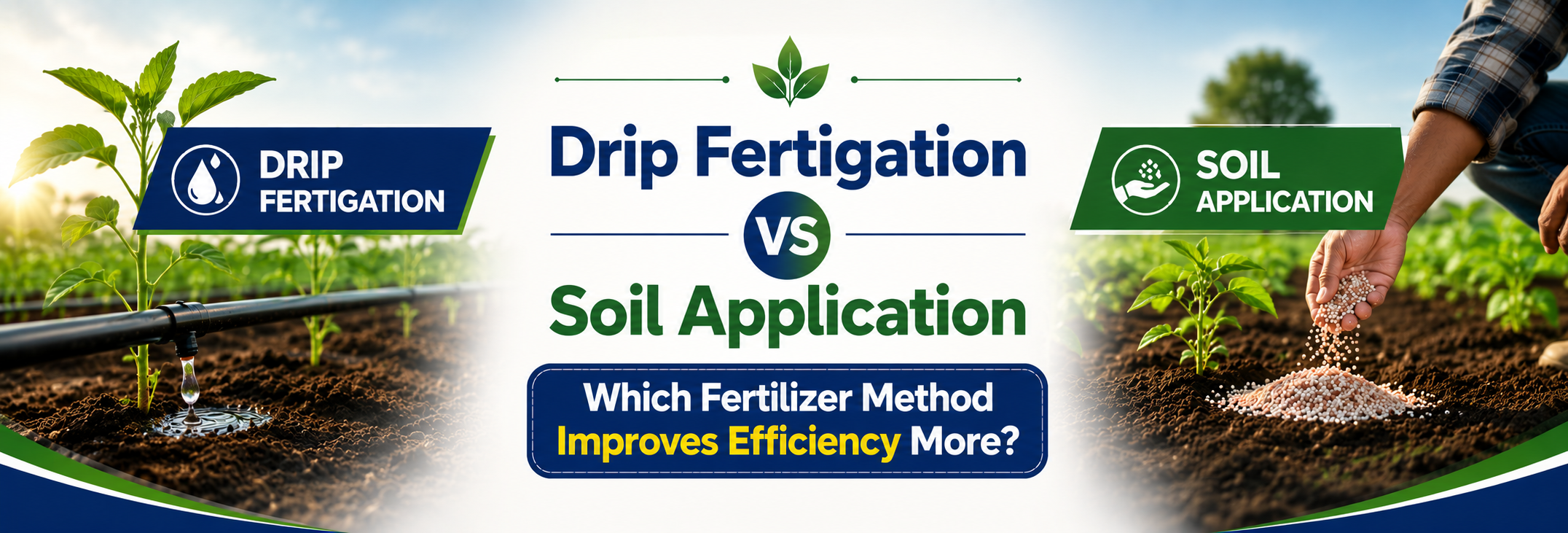
When deciding which is better, drip fertigation or soil application, the operational and financial choice is clear. While traditional soil application remains a functional, low-tech option for broad-acre, rain-fed crops with minimal margins, it simply cannot compete with the sheer precision of localized root-zone management.


Role of Micronutrients in Plant Growth: Why Zinc, Boron & Iron Are Essential for Better Crop YieldSoil Science
Jul 22, 20261200 min read

Role of Micronutrients in Plant Growth: Why Zinc, Boron & Iron Are Essential for Better Crop Yield

Modern agriculture often places a heavy emphasis on primary macronutrients like Nitrogen, Phosphorus, and Potassium (NPK). While these macronutrients build the primary structural foundation of vegetation, veteran farmers and agronomists understand that maximum agricultural productivity cannot be achieved through NPK alone. Just as plants require major nutrients in large quantities, they depend fundamentally on trace elements to catalyze critical metabolic functions.

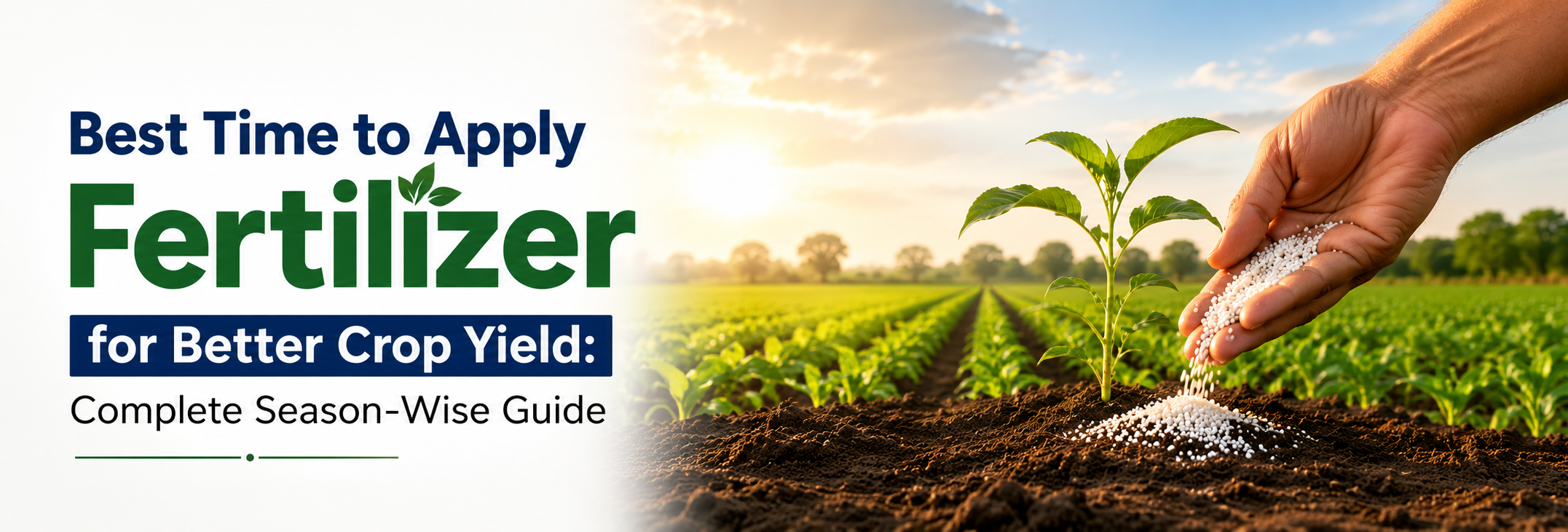
Best Time to Apply Fertilizer for Better Crop Yield: Complete Season-Wise GuideSoil Science
Jul 21, 2026720 min read

Best Time to Apply Fertilizer for Better Crop Yield: Complete Season-Wise Guide

Veteran farmers understand that the key to fertilizer success is timing, not cost or volume. Even the best fertilizer can underperform with a small dose applied at the wrong time compared to the best fertilizer applied when crops need nutrients most. As plants use more water during active growth, so do crops use fertilizer most efficiently during critical phases such as vegetative growth and flowering. Outside these periods, nutrients are wasted and returns are low. This guide explains the science of fertilizer timing with a season-wise approach for Indian farming systems - Kharif, Rabi and Zaid. With science-backed support of Hindustangum, we help farmers to apply the right fertilizer at the right time for maximum yield and efficiency.

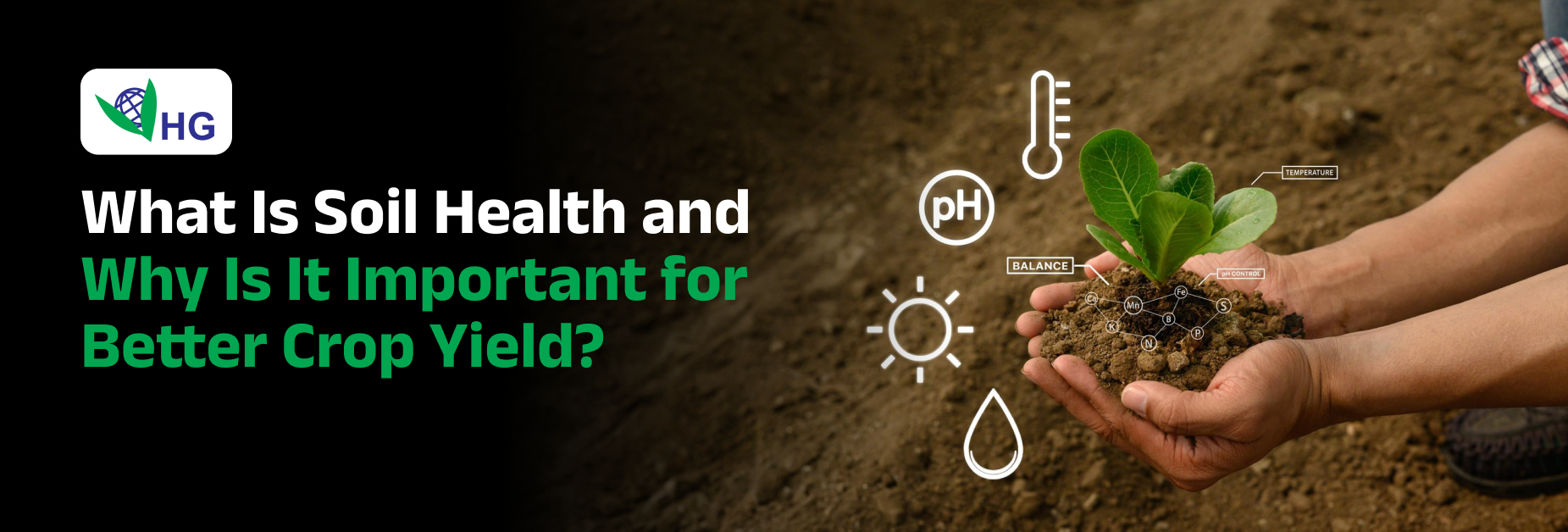
What Is Soil Health and Why Is It Important for Better Crop Yield?Crop Health
Jun 26, 202615 min read

What Is Soil Health and Why Is It Important for Better Crop Yield?

Around a third of the world's soils are degraded. Learn the 3 pillars of soil health, how they drive crop yield, the warning signs of poor soil, and proven ways to restore it.

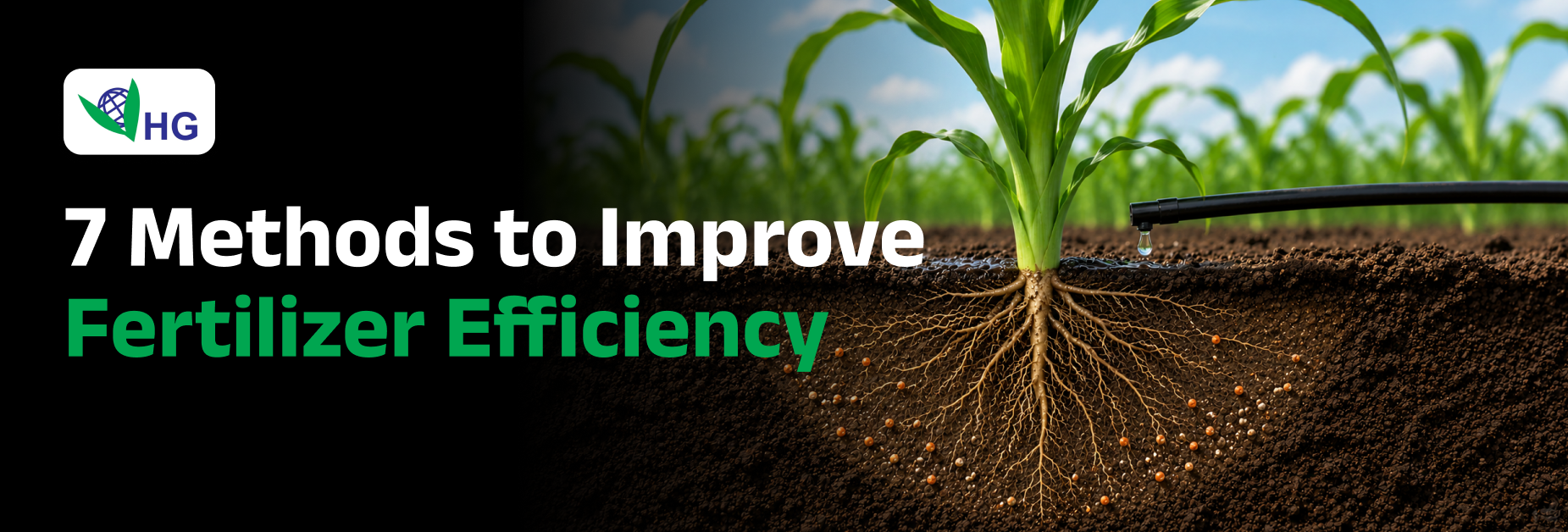
How to Improve Fertilizer Efficiency in Agriculture: 7 Proven Methods Farmers Should KnowFertilizers
Jun 26, 20269 min read

How to Improve Fertilizer Efficiency in Agriculture: 7 Proven Methods Farmers Should Know

Crops absorb less than 50% of applied nitrogen — the rest is wasted. Discover 7 proven methods to cut nutrient loss, raise fertilizer use efficiency, boost yields, and lower costs.

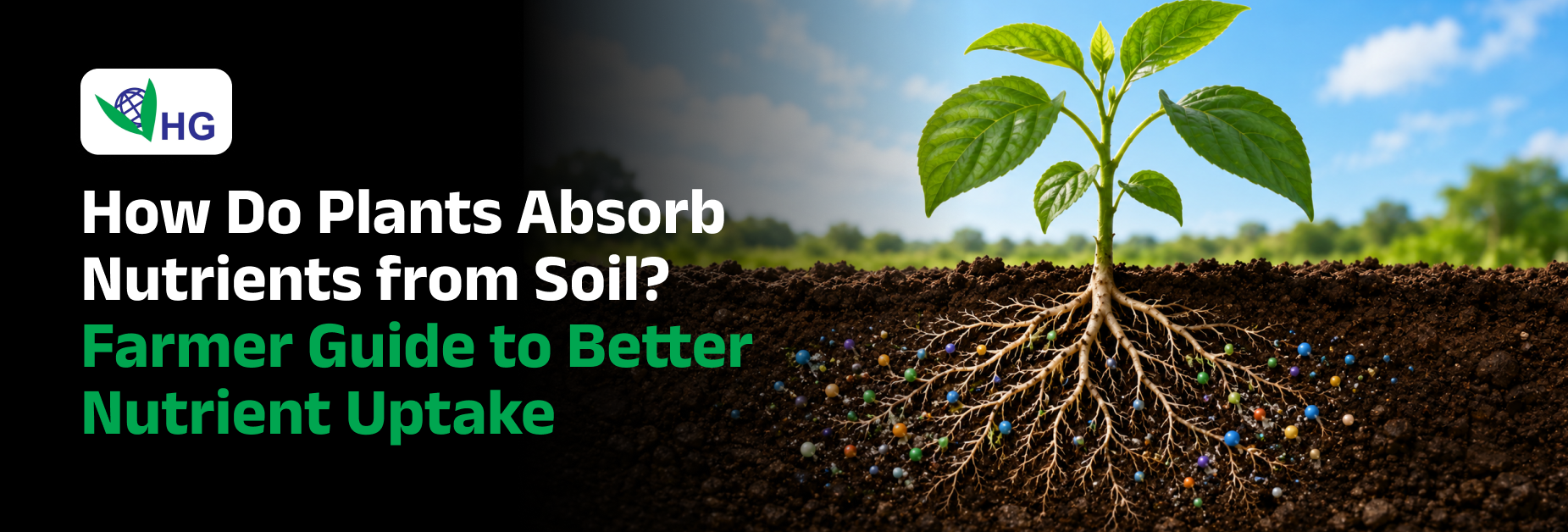
How Do Plants Absorb Nutrients from Soil? Farmer Guide to Better Nutrient UptakeSoil Science
Jun 26, 202612 min read

How Do Plants Absorb Nutrients from Soil? Farmer Guide to Better Nutrient Uptake

Nutrients in soil aren't always available to crops. Learn how roots, moisture, pH, and microbes drive nutrient uptake — and the proven strategies to make every input work harder.

7 Practical Ways to Improve Soil Health and Increase Crop YieldCrop Health
Apr 16, 20262 min read

7 Practical Ways to Improve Soil Health and Increase Crop Yield

Combine biodegradable absorbents and stable root zones with microbial restoration to get the most out of your soil and make the most money. To make your crops more resilient to climate change, combine these with crop rotation, conservation tillage, and careful water management.